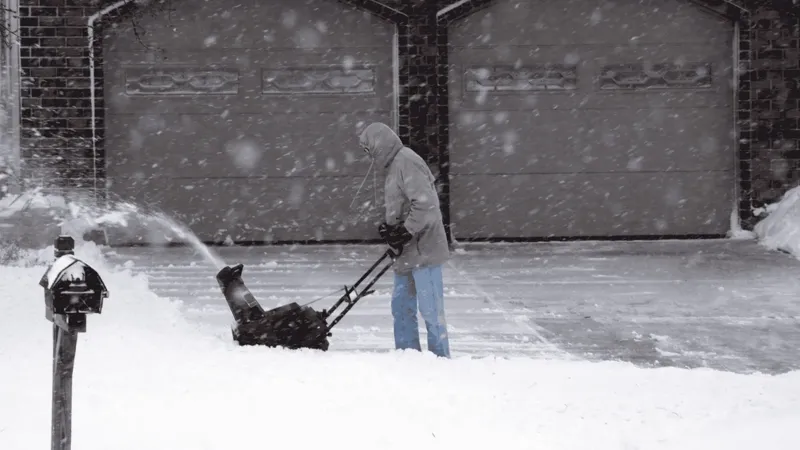
Driveway Snow Removal
Subdivision homes in Reiffton, Stonersville and Jacksonwald have sloped driveways that need clearing before the commute.
Learn more
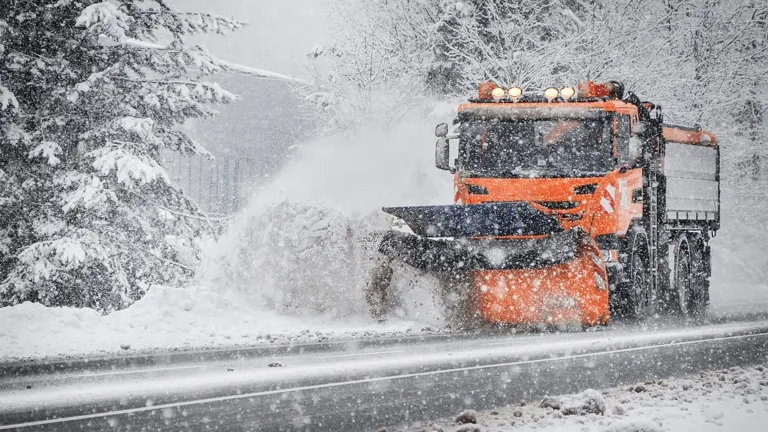
Driveway plowing, lot clearing and salting for Reiffton, Stonersville and Jacksonwald homes and for the retail strip along Route 422 East.
Snow removal in Exeter Township covers two very different jobs: subdivision driveways and walks in Reiffton, Stonersville and Jacksonwald, and busy retail lots along Route 422 East. Township code gives owners 36 hours after snow stops to clear a 36 inch sidewalk path. We plow, shovel and salt on a fixed route, with the trigger depth written into your contract.
Exeter covers about 25 square miles southeast of Reading. The Schuylkill River forms its southern boundary near 280 feet, and the land rises past Neversink Mountain to wooded ridges in the northwest above 800 feet. That rise means a storm can be wet at the river and noticeably snowier in the upper developments.
Nor'easters bring the heaviest snow, often with sleet mixed in. Cul de sacs, long sloped driveways and hillside streets off Neversink Road hold ice after the plows pass, so salt matters as much as the blade.
Most of Exeter is single family homes built from the postwar decades through the 2000s: Reiffton subdivisions near the Reading line, newer developments around Stonersville and Jacksonwald, and larger lots and farmland toward Lorane and Baumstown. The commercial side runs along Route 422 and Perkiomen Avenue, with shopping centers, restaurants, banks, medical offices and auto dealers, plus schools, churches and apartment and townhome communities with shared drives.
The roads and districts that shape how snow gets cleared here.
The township's commercial spine, with shopping centers, pad sites and dealerships that need lots open before the morning commute.
Runs from the Reading line through Reiffton with older homes, small businesses and access to many subdivisions.
Boyertown Pike heads northeast through Jacksonwald toward Oley and Boyertown past homes, churches and farms.
East and West Neversink Road are township snow emergency routes serving hillside subdivisions near Neversink Mountain.
Chapter 312 of the Exeter Township code requires anyone in charge of a building or lot on a paved sidewalk to clear a path at least 36 inches wide, plus the area within 36 inches of every fire hydrant, within 36 hours after snow or ice stops. If ice is too hard to remove without damaging the sidewalk, abrasives must go down within that time and the path must be cleared when weather allows. Snow from walks and driveways may not be put into the street. The township may do the work and bill the owner, and violations carry a fine of up to $1,000 plus costs.
Under Chapter 360, the Highway Superintendent declares snow emergencies through the township website, social media and notification system, effective at least 2 hours after the announcement. Parking on designated snow emergency routes such as Neversink Road, Lincoln Drive and Berks Manor Road is also banned automatically once 4 inches or more has built up for an hour between 6 a.m. and 11 p.m. On streets with only on street parking, cars go on the even address side on even days and the odd side on odd days. Violators can be towed.
Source: Township of Exeter Code, Chapter 312 Snow and Ice Removal. Ordinances change, so confirm with the municipality before relying on a deadline.
Subdivision homes in Reiffton, Stonersville and Jacksonwald have sloped driveways that need clearing before the commute.
Learn more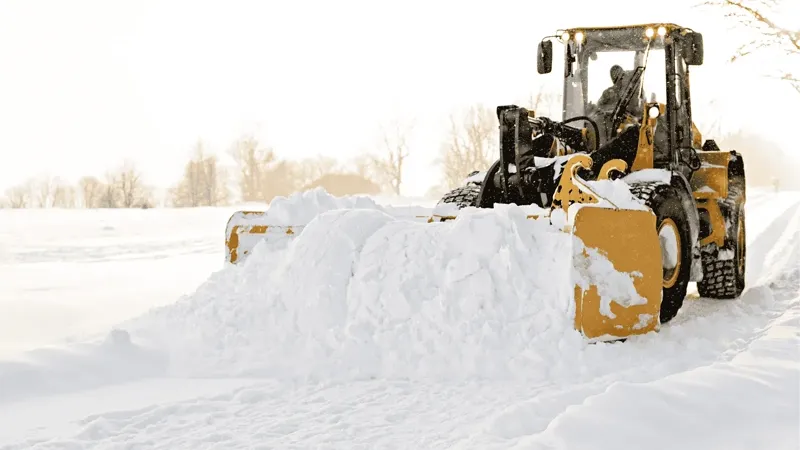
Retail centers and dealerships along Route 422 East need drive lanes and parking open early.
Learn more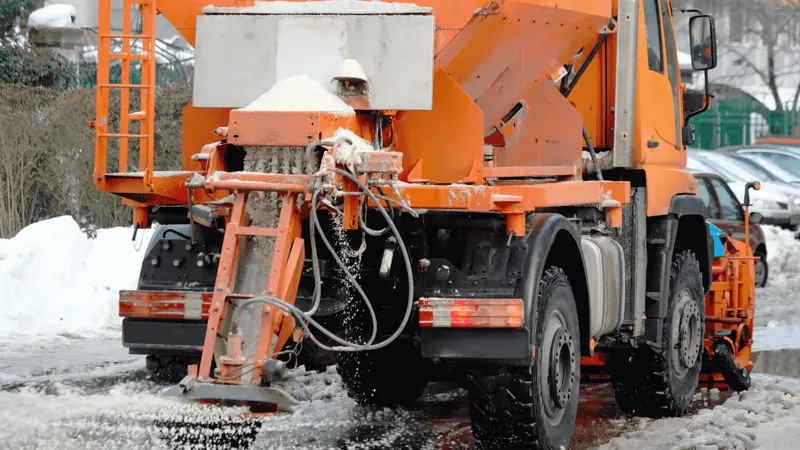
Hillside streets near Neversink Mountain and shaded cul de sacs refreeze overnight.
Learn moreContract one service or combine several. Every property starts with a site walk.
Truck and loader plowing for driveways, lots and private roads across the Lehigh Valley and seven surrounding counties.
Written snow and ice contracts for commercial sites, covering plowing, salting, walks, hauling and time-stamped service records.
Driveways, front walks, steps and public sidewalks cleared for homes, twins and rowhomes on a set route after every storm.
Hand crews clear sidewalks, steps, ramps and entrances for homes, rowhomes and storefronts, then treat for ice.
Driveways plowed or blown edge to edge, with the end of the driveway reopened after the municipal plow passes.
Parking lots plowed in a mapped order, with snow stacked away from drains, entrances and accessible spaces.
Rock salt, treated salt and brine chosen by pavement temperature, for lots, walks, docks and entrances.
Roof raking, ice dam steaming and flat roof snow removal for homes and commercial buildings.
Around the clock storm crews for contracted sites, and same day help for others when capacity allows.
Loaders and trucks move snow off site or elsewhere on the property when stacking areas run out of room.
Truck courts, dock aprons, trailer lots and employee lots cleared around 24/7 shift changes at big box logistics buildings.
Private roads, mailbox clusters, common walks and unit driveways cleared on a scope that matches your declaration and budget.
Apartment complexes and rowhome rental portfolios cleared on one multi-site contract, with a service record for every property.
Parking fields, storefront walks, cart corrals, drive-throughs and fuel islands cleared in time for opening.
Ambulance routes, patient entrances and accessible parking kept clear for medical offices, outpatient and dialysis centers.
Three-shift lots, material yards, rail sidings and heavy equipment routes cleared for plants that never stop.
Township code allows 36 hours after snow or ice stops, with a path at least 36 inches wide and the area around fire hydrants cleared. Many subdivisions have no sidewalks, and the rule applies where a paved sidewalk exists.
Yes. Seasonal driveway routes are built around commute times, and plowing starts automatically when the trigger depth in your contract is reached.
Yes. Retail lots get overnight plowing, salt at entrances and time-stamped service records.
Cars must be off designated snow emergency routes, and on streets with only on street parking, residents switch sides by date. HOAs should share the rules with residents before the first storm.
We look at the actual property, agree where the snow goes, then give you a real number. Routes fill before the season starts.
Lehigh Valley and eastern PA properties