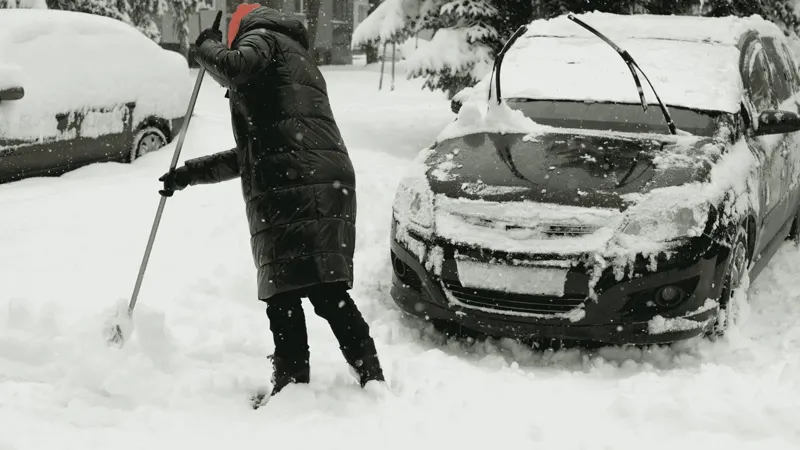
Residential Snow Removal
Cul de sacs are plowed after the township's main routes, and residents are asked to keep cars off the street, so contracted driveway service matters here.
Learn more
Subdivisions, cul de sacs and the Hamilton Boulevard and Route 100 corridors, handled by a consistent crew on a fixed route.
Frosty Snow Management Lehigh Valley provides snow plowing, salting and sidewalk clearing across Lower Macungie Township, including Wescosville, Ancient Oaks, East Texas and the neighborhoods along the Route 222 corridor. Driveways, HOA common areas and commercial lots are plowed once snow reaches the trigger depth written into your contract, and walks are cleared well inside the township rule that sidewalks be passable within 48 hours after each snow event.
Lower Macungie covers about 22.5 square miles southwest of Allentown, and with more than 32,000 residents it is the second most populous municipality in Lehigh County. South Mountain crosses the township's southern tier, just south of Macungie and Alburtis, and the Little Lehigh Creek and Swabia Creek drain the valley floor below it.
Much of the township is still open ground, with farm fields between neighborhoods, and that openness shapes storms. Wind across the fields drifts snow over roads, driveways and sidewalks well after the snow ends, and streets near the mountain hold ice longer than the valley floor. NOAA normals at nearby Lehigh Valley International Airport average about 33 inches of snow a season, most of the big totals coming from nor'easters.
Lower Macungie is largely suburban. Most homes are single family houses and townhomes in planned developments with cul de sacs, sidewalks and HOA common areas, and age restricted communities and apartment complexes add large shared lots and long walk networks. Commercial property clusters along Hamilton Boulevard and the Route 222 Bypass (shopping centers, restaurants, banks and medical offices) and around the Mack Trucks plant off Alburtis Road and the industrial buildings near Route 100.
The roads and districts that shape how snow gets cleared here, all within Lower Macungie Township.
The main commercial corridor through Wescosville, with Hamilton Crossings at Krocks Road, restaurants, banks and medical offices on large lots.
Runs past Hamilton Crossings and the township's newer commercial ground, carrying through traffic that needs entrances open early.
Runs north from Macungie toward Trexlertown, with industrial and flex buildings along the way.
Links Macungie and Alburtis past the Mack Trucks plant, with steady truck traffic.
Residential and civic collectors through the middle of the township and its larger subdivisions.
Section 21-403 of the Lower Macungie code requires owners of property abutting any sidewalk, pathway, swale or gutter to keep swales and gutters unobstructed at all times and to have sidewalks cleared and passable within 48 hours of the end of each snow event. Owners are not responsible for pathways that do not abut a street or alley, or that are fully separated from the rest of the property by a buffer yard. Parkland, farm fields, undeveloped properties over five acres and residential properties over 10 acres are exempt.
No snow may be pushed from private property onto a public street or a neighboring property; the township snow guide cites fines of up to $50 per incident. Violations can be removed by the township without notice and billed to the owner, with a lien after 30 days unpaid.
Source: Township of Lower Macungie Code, Chapter 21, Part 4 (Maintenance of Rights of Way), Section 21-403. Ordinances change, so confirm with the municipality before relying on a deadline.
Cul de sacs are plowed after the township's main routes, and residents are asked to keep cars off the street, so contracted driveway service matters here.
Learn more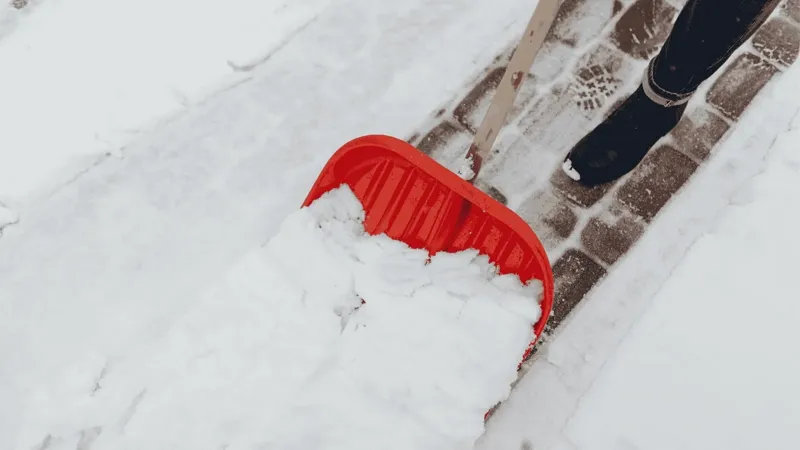
Planned communities have long sidewalk and path networks, plus swales and gutters the code says must stay open. HOAs need a clear plan for which paths are the owner's job and which are common areas.
Learn more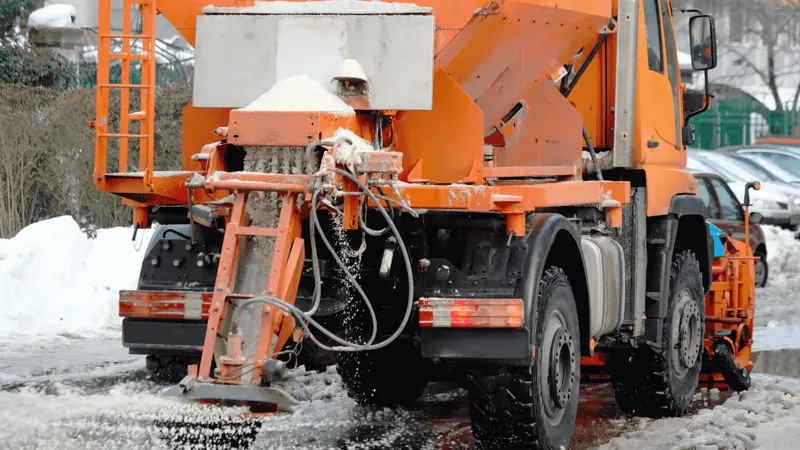
Wind across open fields keeps blowing snow onto cleared surfaces, and shopping center lots along Hamilton Boulevard see heavy traffic right after a storm. Salt and brine keep that drift from packing into ice.
Learn moreContract one service or combine several. Every property starts with a site walk.
Truck and loader plowing for driveways, lots and private roads across the Lehigh Valley and seven surrounding counties.
Written snow and ice contracts for commercial sites, covering plowing, salting, walks, hauling and time-stamped service records.
Driveways, front walks, steps and public sidewalks cleared for homes, twins and rowhomes on a set route after every storm.
Hand crews clear sidewalks, steps, ramps and entrances for homes, rowhomes and storefronts, then treat for ice.
Driveways plowed or blown edge to edge, with the end of the driveway reopened after the municipal plow passes.
Parking lots plowed in a mapped order, with snow stacked away from drains, entrances and accessible spaces.
Rock salt, treated salt and brine chosen by pavement temperature, for lots, walks, docks and entrances.
Roof raking, ice dam steaming and flat roof snow removal for homes and commercial buildings.
Around the clock storm crews for contracted sites, and same day help for others when capacity allows.
Loaders and trucks move snow off site or elsewhere on the property when stacking areas run out of room.
Truck courts, dock aprons, trailer lots and employee lots cleared around 24/7 shift changes at big box logistics buildings.
Private roads, mailbox clusters, common walks and unit driveways cleared on a scope that matches your declaration and budget.
Apartment complexes and rowhome rental portfolios cleared on one multi-site contract, with a service record for every property.
Parking fields, storefront walks, cart corrals, drive-throughs and fuel islands cleared in time for opening.
Ambulance routes, patient entrances and accessible parking kept clear for medical offices, outpatient and dialysis centers.
Three-shift lots, material yards, rail sidings and heavy equipment routes cleared for plants that never stop.
Forty eight hours after the snow event ends. If a walk is not cleared, the township can clear it and bill the owner, with a lien if the bill goes unpaid.
It depends. The code excludes pathways that do not abut a street or alley or are separated by a buffer yard, but many HOAs clear them anyway. We map each walkway at the site walk.
The township plows emergency routes first, and its snow guide notes that the circular shape makes it hard to spread snow evenly along the curb. A contracted plow clears your driveway and its windrow.
Per the township snow guide, damage from thrown snow is the homeowner's responsibility unless the plow hits the mailbox directly. Set mailboxes six to eight inches behind the curb.
We look at the actual property, agree where the snow goes, then give you a real number. Routes fill before the season starts.
Lehigh Valley and eastern PA properties