Snow Shoveling & Sidewalks
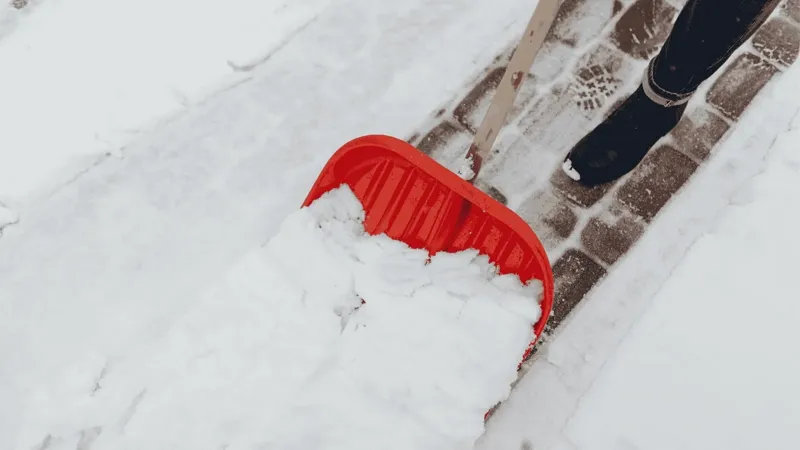
Every fronting property needs a 30 inch path cleared within 24 hours, and rowhome blocks and Main Street storefronts have continuous frontage that must all be open.
Learn more
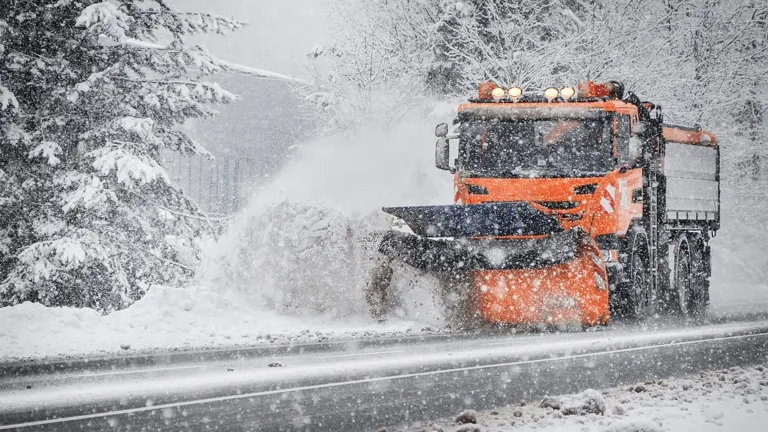
Sidewalk clearing, plowing and salting for the cement town's rowhome blocks, Main Street storefronts and the lots along Route 329 by the Lehigh River.
Frosty Snow Management Lehigh Valley clears snow for homes, landlords and businesses in the Borough of Northampton, from the Main Street business district to the rowhome blocks off Laubach and Washington avenues. Hand crews clear sidewalks inside the borough's 24 hour window, and plow trucks handle driveways, alleys and lots at the trigger depth written into your contract. Commercial accounts get time-stamped records of every visit.
The Borough of Northampton formed in 1902 from the villages of Siegfried, Newport and Stemton on the east bank of the Lehigh River, across from Whitehall Township. Atlas Portland Cement ran here from 1895 to 1982, and the borough still carries that identity. Blocks climb from the river flats up toward Howertown Road, so many streets and alleys are sloped.
Storms reach Northampton as nor'easters and coastal lows with wet snow and bands of sleet or freezing rain. NOAA's 1991 to 2020 normals put average snowfall at about 33 inches a year at Lehigh Valley International Airport, a few miles southeast. Along the river and on north-facing slopes, meltwater refreezes into sheet ice overnight, which is why treatment after plowing matters as much as the plowing itself.
Northampton is a dense borough of early 1900s rowhomes, twins and single homes on narrow lots with alleys behind them, much of it built for cement workers. Main Street between 9th and 21st streets carries storefronts, offices and apartments. Beyond the borough line, Allen Township along Route 329 has grown into a distribution hub, with a FedEx Ground facility on Willowbrook Road and large industrial park buildings.
The roads and districts that shape how snow gets cleared here, all within Borough of Northampton.
The business district and a snow emergency route, with storefronts, offices and apartments that need walks open early.
The borough's main numbered highway, running east from the Lehigh River crossing toward the warehouse and industrial parks in Allen Township.
Residential streets of rowhomes and twins; Newport Avenue from Laubach Avenue to 14th Street is a snow emergency route.
A snow emergency route from Main Street to 10th Street through older residential blocks.
Northampton Borough Code, Chapter 210, Article IV requires every person in charge of a building or lot fronting a paved sidewalk (owner, tenant, occupant or lessee) to clear a path at least 30 inches wide within 24 hours after snow, sleet or freezing rain stops. If ice is too hard to remove without damaging the sidewalk, it must be covered with sand or another abrasive within that time. Violations carry a fine of up to $600 and costs, and each day counts as a separate offense.
Source: Borough of Northampton Code, Chapter 210, Article IV: Snow and Ice Removal. Ordinances change, so confirm with the municipality before relying on a deadline.
Every fronting property needs a 30 inch path cleared within 24 hours, and rowhome blocks and Main Street storefronts have continuous frontage that must all be open.
Learn more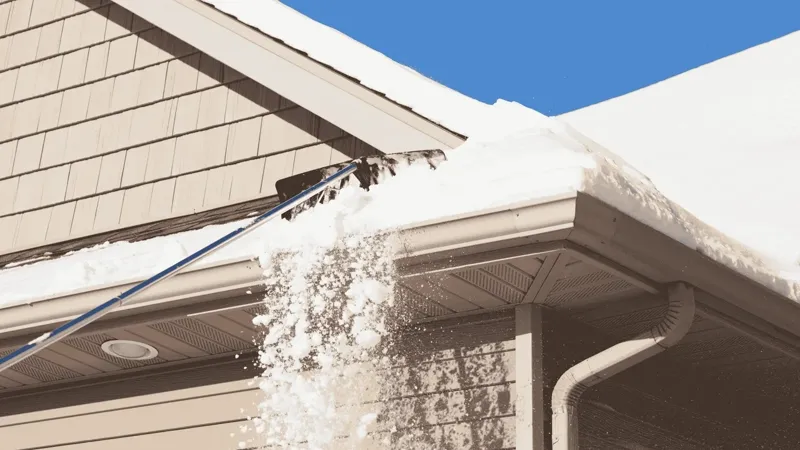
The borough can order snow and ice on a building that may fall onto a sidewalk or street removed within 24 hours of notice, a real risk on older storefronts and rowhome eaves.
Learn more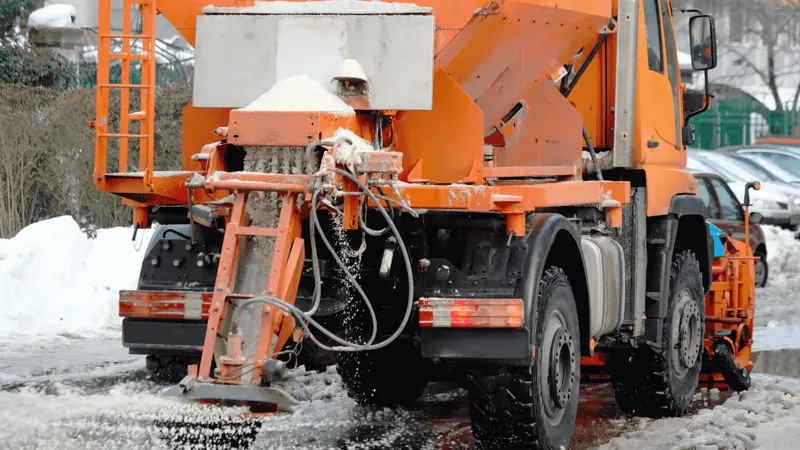
Sloped streets and alleys dropping toward the Lehigh refreeze overnight, so walks and steps need treatment after every clearing.
Learn moreContract one service or combine several. Every property starts with a site walk.
Truck and loader plowing for driveways, lots and private roads across the Lehigh Valley and seven surrounding counties.
Written snow and ice contracts for commercial sites, covering plowing, salting, walks, hauling and time-stamped service records.
Driveways, front walks, steps and public sidewalks cleared for homes, twins and rowhomes on a set route after every storm.
Hand crews clear sidewalks, steps, ramps and entrances for homes, rowhomes and storefronts, then treat for ice.
Driveways plowed or blown edge to edge, with the end of the driveway reopened after the municipal plow passes.
Parking lots plowed in a mapped order, with snow stacked away from drains, entrances and accessible spaces.
Rock salt, treated salt and brine chosen by pavement temperature, for lots, walks, docks and entrances.
Roof raking, ice dam steaming and flat roof snow removal for homes and commercial buildings.
Around the clock storm crews for contracted sites, and same day help for others when capacity allows.
Loaders and trucks move snow off site or elsewhere on the property when stacking areas run out of room.
Truck courts, dock aprons, trailer lots and employee lots cleared around 24/7 shift changes at big box logistics buildings.
Private roads, mailbox clusters, common walks and unit driveways cleared on a scope that matches your declaration and budget.
Apartment complexes and rowhome rental portfolios cleared on one multi-site contract, with a service record for every property.
Parking fields, storefront walks, cart corrals, drive-throughs and fuel islands cleared in time for opening.
Ambulance routes, patient entrances and accessible parking kept clear for medical offices, outpatient and dialysis centers.
Three-shift lots, material yards, rail sidings and heavy equipment routes cleared for plants that never stop.
The borough code requires a path at least 30 inches wide, cleared within 24 hours after the snow, sleet or freezing rain stops. We clear the full walk when the layout allows.
Yes. If snow or ice on a building could fall onto a sidewalk or street, the Code Enforcement Officer or police can require removal within 24 hours of notice, or the area must be roped off. Our roof crews handle that work.
Not on the posted routes such as the west side of Main Street from 9th to 21st streets. Unattended cars there are ticketed and towed, so plan to use off-street parking before the emergency starts.
Yes. Rear alleys and short parking pads can be added to a sidewalk contract, and snow is kept away from hydrants and out of the roadway as the code requires.
We look at the actual property, agree where the snow goes, then give you a real number. Routes fill before the season starts.
Lehigh Valley and eastern PA properties