
Truck and loader plowing for driveways, lots and private roads across the Lehigh Valley and seven surrounding counties.

Contracted plow routes, sidewalk crews and salt trucks for homes and businesses in Allentown, Bethlehem, Easton, Reading and 46 more towns across eight Pennsylvania counties. Your route runs on its own when the snow reaches your trigger depth.
Keeping a property usable from the first November storm to the last March refreeze takes more than one truck. Most properties need two or three of these, and the right mix depends on whether you are a rowhome in center city Allentown, a cul-de-sac in Lower Macungie or a distribution center off Route 100.
Truck and loader plowing for driveways, lots and private roads across the Lehigh Valley and seven surrounding counties.

Written snow and ice contracts for commercial sites, covering plowing, salting, walks, hauling and time-stamped service records.
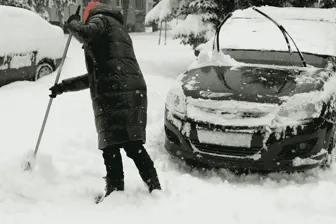
Driveways, front walks, steps and public sidewalks cleared for homes, twins and rowhomes on a set route after every storm.
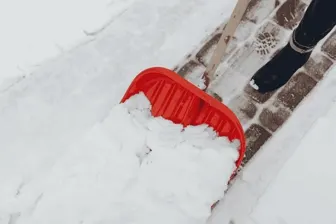
Hand crews clear sidewalks, steps, ramps and entrances for homes, rowhomes and storefronts, then treat for ice.
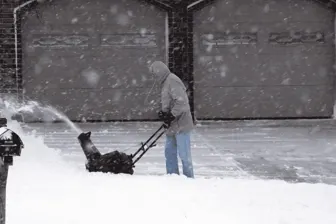
Driveways plowed or blown edge to edge, with the end of the driveway reopened after the municipal plow passes.
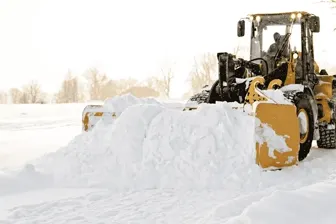
Parking lots plowed in a mapped order, with snow stacked away from drains, entrances and accessible spaces.
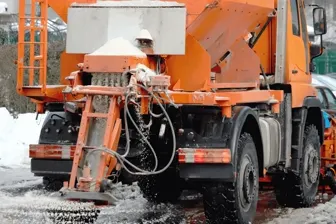
Rock salt, treated salt and brine chosen by pavement temperature, for lots, walks, docks and entrances.
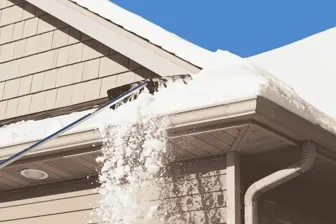
Roof raking, ice dam steaming and flat roof snow removal for homes and commercial buildings.
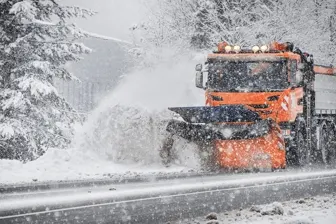
Around the clock storm crews for contracted sites, and same day help for others when capacity allows.
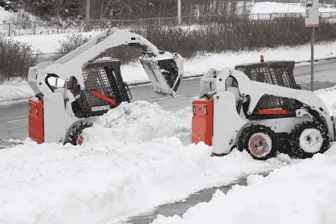
Loaders and trucks move snow off site or elsewhere on the property when stacking areas run out of room.
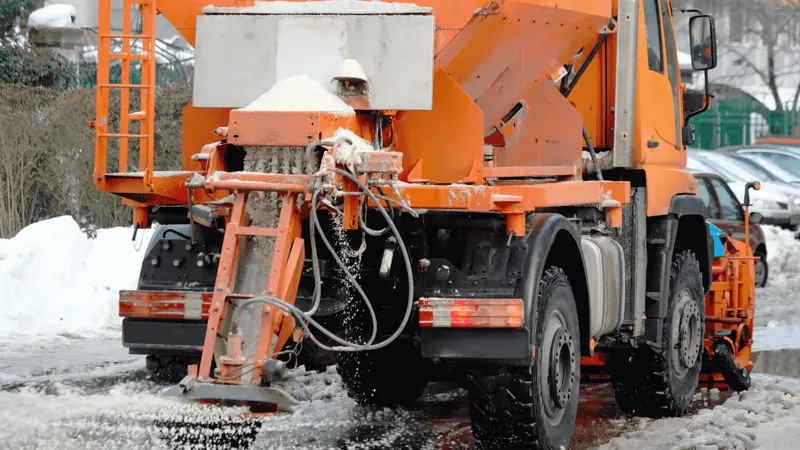
Lehigh Valley storms rarely stay snow from start to finish. The classic nor'easter tracks up the coast and puts Allentown, Bethlehem and Easton close to the rain and snow line, so a storm that starts as powder often turns to sleet, then freezing rain, then refreezes overnight.
That changes the job. Snow has to come off before the sleet arrives, or the sleet bonds to packed snow and becomes a sheet of ice nobody can plow. Surfaces get pre-treated with brine or salt ahead of the changeover, and crews come back after the refreeze because the first pass is never the last one.
Elevation changes it again. The Pocono plateau, the Slate Belt under Blue Mountain and Hazleton on Spring Mountain routinely see more snow and more wind than the valley floor along the Lehigh River. Routes, equipment and trigger depths are set for the ground each property actually sits on.
The Lehigh Valley is warehouse country, and the I-78, Route 22, Route 100 and I-81 corridors are lined with properties that cannot close for weather: distribution centers running round the clock, retail centers that open at dawn, medical offices with early appointments and communities whose private roads the township will not plow.
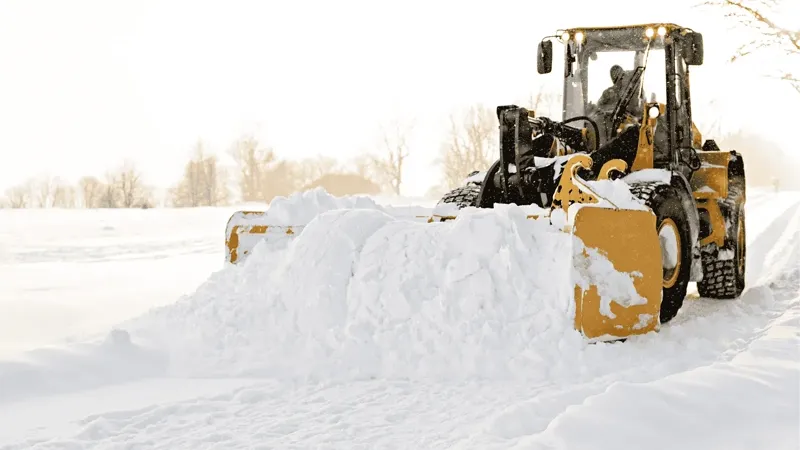
Truck courts, dock aprons, trailer lots and employee lots cleared around 24/7 shift changes at big box logistics buildings.
Learn more
Private roads, mailbox clusters, common walks and unit driveways cleared on a scope that matches your declaration and budget.
Learn more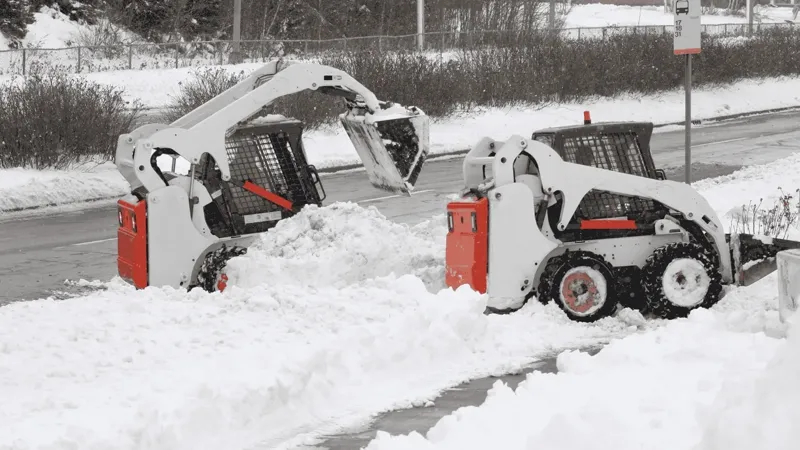
Apartment complexes and rowhome rental portfolios cleared on one multi-site contract, with a service record for every property.
Learn more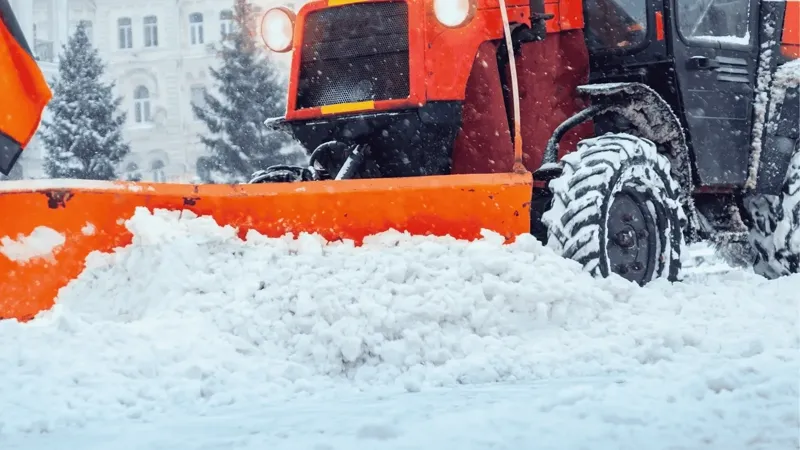
Parking fields, storefront walks, cart corrals, drive-throughs and fuel islands cleared in time for opening.
Learn moreAmbulance routes, patient entrances and accessible parking kept clear for medical offices, outpatient and dialysis centers.
Learn moreThree-shift lots, material yards, rail sidings and heavy equipment routes cleared for plants that never stop.
Learn moreThe same sequence, every event. Once you are on a route you are not involved in any of it.
We map the property, mark hydrants, drains, curbs and soft edges, and agree where snow gets stacked so it never blocks a garage, a loading door, a fire lane or the parking you need in February.
Routes are assigned and equipment is loaded before the storm. When a changeover to sleet or freezing rain is forecast, brine and salt go down first.
At the depth written into your contract the route runs automatically. Commercial sites are sequenced by opening time and shift change; driveways are cleared for the morning commute.
On long nor'easters crews cycle back so snow never packs down under traffic. That is what keeps a foot of snow from becoming a lot full of ruts that lasts into March.
A plow cannot clear a rowhome stoop or a clinic entrance. Hand crews clear and treat the walking surfaces, which is where falls, municipal fines and claims actually come from.
Surfaces are salted before the overnight refreeze, and commercial properties get a time-stamped record of what was done, when, and what was applied.
Every town page covers that municipality's own sidewalk clearing rule, its snow emergency routes, the roads and neighborhoods we work and how storms behave on that ground.
When a city declares a snow emergency, parking rules change and sidewalk deadlines start running. These guides cover what each city requires of property owners and where the official announcements are posted.
Lehigh and Northampton counties, which make up the Lehigh Valley, plus Berks, Bucks, Montgomery, Monroe, Carbon and Luzerne counties. That runs from Allentown, Bethlehem and Easton out to Reading, Doylestown, King of Prussia, the Poconos, Jim Thorpe, Hazleton and Wilkes-Barre, 50 towns with their own pages and the smaller municipalities around them.
Yes. Residential driveways, walks and roofs, and commercial lots, sidewalks, loading areas and private roads for warehouses, retail centers, HOAs, apartment communities, medical offices and industrial sites.
No. Once a property is on a contracted route, service starts automatically when accumulation reaches the trigger depth written into your contract. You do not call, text or confirm anything.
That changeover is the most common storm pattern here, so it is planned for. Crews plow before sleet can bond to packed snow, apply salt or brine ahead of the ice, and come back after the refreeze to treat surfaces again.
Yes. Seasonal contracts, per-push and per-event billing are all available. Seasonal contracts fix the winter cost and secure a place on the route; per-push suits lighter needs. The snow removal cost page explains how each one works out in a mild and a heavy winter.
Before the first real storm, ideally in October or early November. Routes are planned around the properties signed before the season starts, and contracted properties are serviced first once it snows.
Routes are planned around the properties signed before the first storm. Request a free estimate now and be on the list when it matters.
Lehigh Valley and eastern PA properties