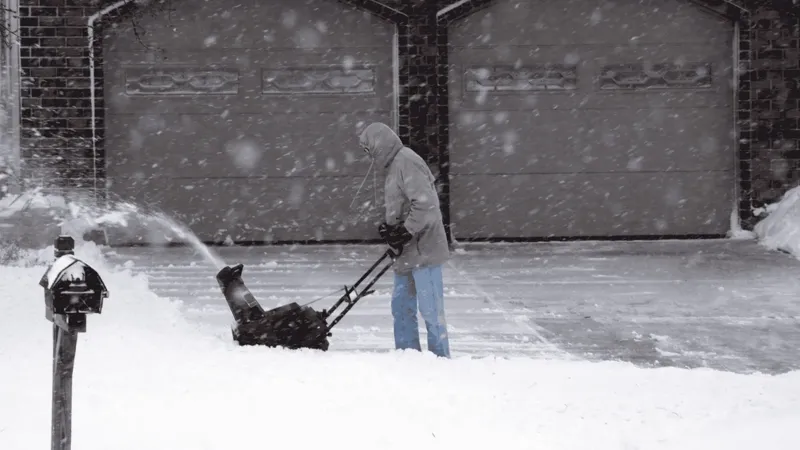
Driveway Snow Removal
Driveways plowed or blown edge to edge, with the end of the driveway reopened after the municipal plow passes.
Learn more

Route based plowing for driveways, lots and private lanes from the Slate Belt to Berks County, started by the trigger depth written into your contract.
Frosty Snow Management provides snow plowing across Lehigh and Northampton counties plus Berks, Bucks, Montgomery, Monroe, Carbon and Luzerne. Properties are placed on fixed routes, walked before the season, and plowed automatically once snow reaches the trigger depth written into your contract, commonly 1 to 2 inches. Crews return during long storms, and plowing can be paired with salting and hand shoveling. Seasonal, per-push and per-event agreements are available.
Most people search for snow plowing near me at the worst possible moment: the evening a nor'easter is already on the radar. Plowing works best when it is arranged before the season, because routes are built in the fall and the properties on those routes are the ones cleared first when the storm arrives.
The Lehigh Valley is a hard place to plow well. Storms here often start as snow, flip to sleet, glaze over with freezing rain, and then turn back to snow on the back side. A plow pass at the wrong moment can leave a slush layer that sets up like concrete overnight. Timing the passes around the changeover matters as much as the truck doing the work.
Frosty plows residential driveways, commercial lots, private roads and shared lanes across eight Pennsylvania counties. Each property is assigned to a route with a consistent crew, so the operator who clears your lot in January is working from the same notes, stakes and stacking plan that were set during the fall site walk.
The property mix in this region runs from center city rowhome blocks to warehouse campuses larger than some boroughs. The equipment and the approach change with the site, but the process does not: walk it, map it, plow it the same way every storm.
Pennsylvania roads fall into three buckets. State routes such as Route 22, Route 222 and Route 309 are PennDOT roads. Local streets are plowed by the city, borough or township. Everything else, including private roads in many townhome communities, shared driveways, parking lots and your own driveway, is the property owner's responsibility.
That split creates the most common frustration for homeowners: the windrow. When a PennDOT or township plow passes after your driveway has been cleared, it leaves a ridge of heavy, salted slush across the apron. On our routes, reopening the end of the driveway is part of the final cleanup after the storm ends, and during long storms it is part of the return passes as well.
Before the first storm we walk the property, stake curbs, drains, hydrants and islands, and agree on where snow gets stacked. Those notes travel with the route sheet all winter.
A nor'easter riding up the coast can shift the rain and snow line a county in either direction. Crews and material are staged from the forecast, not from the first flakes.
When accumulation reaches the trigger depth written into your contract, the route begins. You do not need to call.
On long events crews cycle back so snow never gets deeper than the equipment can move cleanly. When a changeover to sleet is coming, we try to plow ahead of it so ice does not bond on top of packed snow.
After the storm, edges are pushed back, aprons are reopened, and surfaces in the salting scope are treated before the evening refreeze.
A storm that leaves a manageable few inches in Allentown can bury Mount Pocono and the ridges above Jim Thorpe. The Pocono plateau sits well above the valley floor and tends to stay colder through a nor'easter, so it often holds snow while the valley mixes with sleet. The Slate Belt towns near the base of Blue Mountain also tend to run colder and snowier than the city centers.
South and east of the valley, Bucks and Montgomery counties sit closer to the warm air that wraps around coastal storms, so they are more likely to see rain or freezing rain in the middle of an event. Route planning accounts for this. Properties in the colder zones may need more return passes, while properties in the mixing zone need crews watching for the changeover rather than for depth alone.
Which structure fits depends on the property and how much weather risk you want to carry. Our snow removal cost guide lays out the typical market ranges for each model.
One price for the season regardless of how many storms arrive. Predictable for budgets and common for commercial properties and HOAs.
Billed each time the route services your property. Fair in a light winter, more expensive in a heavy one.
Billed per storm, including the return passes that storm requires. Useful for long, drawn out nor'easters.
Plowing paired with salting or brine for lots and walks where a thin glaze is a real slip risk.
Ideally in early fall. Routes are built around the properties signed before the season starts, and those properties are serviced first when a storm arrives. Signing in September or October also leaves time for the site walk and staking before the ground freezes. Properties added in the middle of winter are fit into routes where there is still room.
Yes, when it is part of your agreement. Municipal and PennDOT plows often pass after a driveway has been cleared, leaving a ridge of heavy, salted slush across the apron. Reopening the apron is part of our final cleanup after the storm, and during long storms it is included in the return passes.
Yes. Many townhome communities, older private lanes and shared drives in eastern Pennsylvania were never accepted by the municipality for maintenance, so the owners or the association must arrange plowing. We plow those roads on a route, with snow stacked where it will not block sight lines at intersections or cover storm drains.
That pattern is common here, especially in nor'easters. We try to plow before the changeover so sleet does not land on top of packed snow, then treat the surface once icing starts. Plowing alone cannot remove a freezing rain glaze, which is why many properties pair plowing with salting.
Any plow can if the operator does not know where the edges are. Staking before the ground freezes and keeping the same crew on the route is how we reduce that risk. If you have pavers, a stamped concrete apron or a Belgian block edge, point it out at the site walk so the blade setup can be adjusted or that area can be cleared with a blower instead.
Service covers Lehigh, Northampton, Berks, Bucks, Montgomery, Monroe, Carbon and Luzerne counties. Availability in any given area depends on route capacity for the season, so ask about your address when you request an estimate.
Available in 50 towns across Lehigh, Northampton, Berks, Bucks, Montgomery, Monroe, Carbon, Luzerne counties. Some of the busiest:
Driveways plowed or blown edge to edge, with the end of the driveway reopened after the municipal plow passes.
Learn more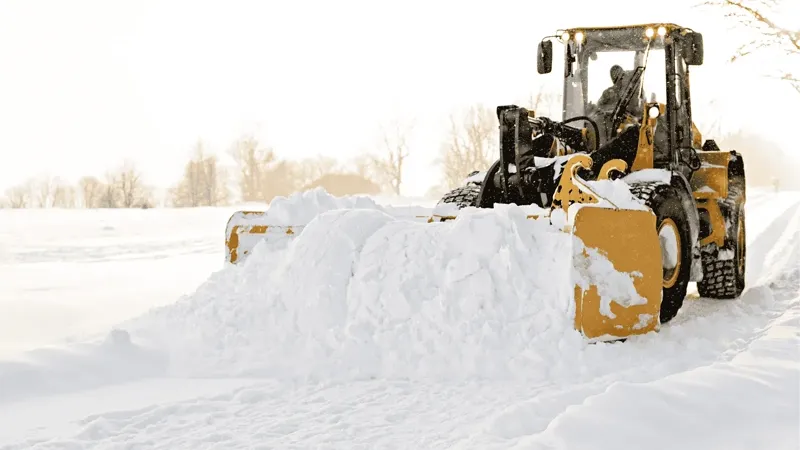
Parking lots plowed in a mapped order, with snow stacked away from drains, entrances and accessible spaces.
Learn more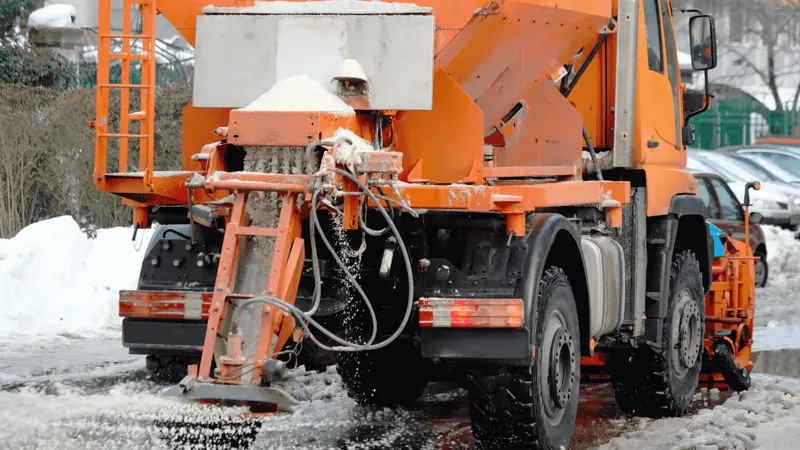
Rock salt, treated salt and brine chosen by pavement temperature, for lots, walks, docks and entrances.
Learn moreTell us about the property and we will come back with a straight answer on scope and price after a site walk.
Lehigh Valley and eastern PA properties