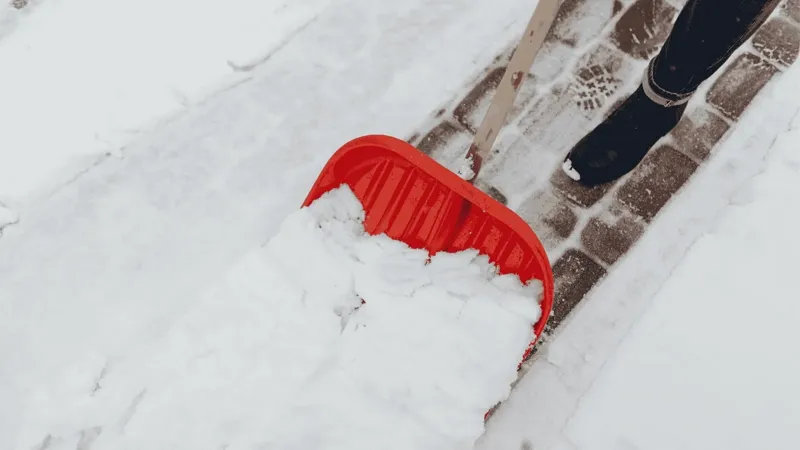
Snow Shoveling & Sidewalks
Twelve hours is a short window, and Broadway and Race Street walks, stoops and stepped entries can only be cleared by hand crews working a fixed downtown route.
Learn more
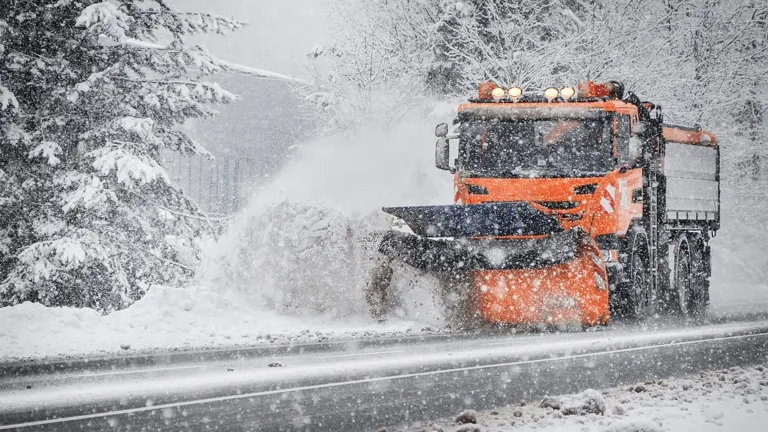
Snow and ice removal for the steep streets of Jim Thorpe, from Broadway rowhouses in Old Mauch Chunk to hillside homes in East Jim Thorpe, on the borough's 12 hour clock.
Frosty Snow Management Lehigh Valley provides snow removal in Jim Thorpe, PA for homes, inns, shops and rental properties. Jim Thorpe has one of the tightest rules in the region: sidewalks need a 30 inch path within 12 hours, and snow or ice that could slide off a roof onto a sidewalk or street must be removed within the same 12 hours. We hand shovel steps and walks, salt steep grades, and clear roof snow on a set route.
Jim Thorpe sits in the gorge of the Lehigh River, where Mahoning Creek comes in beneath Mount Pisgah. Elevations run from about 540 feet at Broadway and Hazard Square downtown to about 1,700 feet near the Penn Forest Township line, and streets climb hard from the river. Old Mauch Chunk fills the narrow west bank, while East Jim Thorpe, where most of the homes are, rises on the other side.
Grade, not total snowfall, sets the workload. The nearest NOAA snowfall normal, at the Lehighton 1SSW station a few miles downriver, is 27.3 inches a season for 1991 to 2020, actually below the 33.1 inch normal at Lehigh Valley International Airport. But light snow on a steep, shaded street packs into ice fast, and the upper parts of the borough sit more than 1,000 feet above downtown.
Downtown is 19th century brick and stone: rowhouses on Broadway and Race Street, storefronts, restaurants and inns serving visitors to the Asa Packer Mansion, plus Carbon County offices in the county seat. East Jim Thorpe and the upper streets hold most of the single homes, many on sloped lots with stepped walks and short, steep driveways. Lake communities in Penn Forest Township, such as Bear Creek Lakes, share the 18229 ZIP code.
The roads and districts that shape how snow gets cleared here, all within Borough of Jim Thorpe.
Main route along the river, to Lehighton and Nesquehoning.
Climbs out of town toward Penn Forest Township and its lake communities.
The steep main street of Old Mauch Chunk, climbing west from Hazard Square.
Narrow side street of stone and brick rowhouses behind Broadway, with no room to push snow.
Chapter 383, Article III of the Jim Thorpe code requires every owner, tenant, occupant or lessee in charge of a building or lot on a paved sidewalk to clear a path at least 30 inches wide within 12 hours after snow, sleet or freezing rain stops. Ice too hard to remove must be sanded within that time. The same article requires removing snow and ice from any roof or structure where it could fall onto a sidewalk, road or other public way, again within 12 hours. Piling snow on a hydrant, sidewalk or roadway is banned, and violations carry a fine of up to $30 plus costs per day.
Source: Borough of Jim Thorpe Code, Chapter 383, Article III (Snow and Ice Removal), sections 383-20 to 383-25. Ordinances change, so confirm with the municipality before relying on a deadline.
Twelve hours is a short window, and Broadway and Race Street walks, stoops and stepped entries can only be cleared by hand crews working a fixed downtown route.
Learn more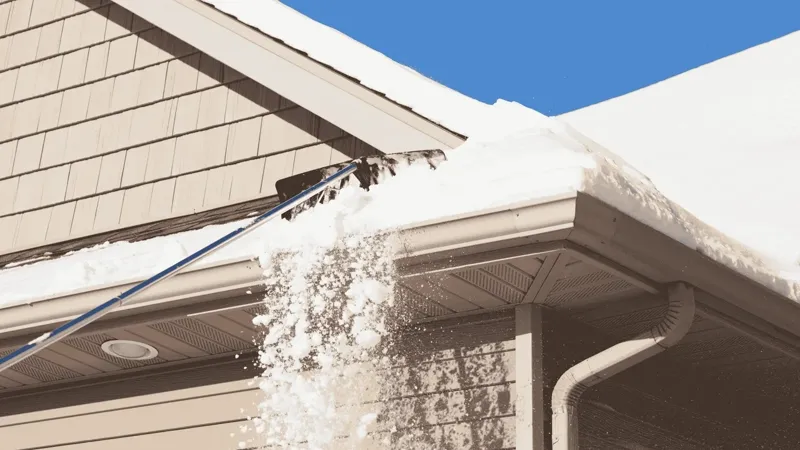
Borough code makes owners remove roof snow and ice that could fall onto a sidewalk or street within 12 hours, and downtown rowhouses sit right on the walk.
Learn more
Steep, shaded streets and driveways turn packed snow into ice quickly, so grades, steps and landings get treated salt on every visit.
Learn moreContract one service or combine several. Every property starts with a site walk.
Truck and loader plowing for driveways, lots and private roads across the Lehigh Valley and seven surrounding counties.
Written snow and ice contracts for commercial sites, covering plowing, salting, walks, hauling and time-stamped service records.
Driveways, front walks, steps and public sidewalks cleared for homes, twins and rowhomes on a set route after every storm.
Hand crews clear sidewalks, steps, ramps and entrances for homes, rowhomes and storefronts, then treat for ice.
Driveways plowed or blown edge to edge, with the end of the driveway reopened after the municipal plow passes.
Parking lots plowed in a mapped order, with snow stacked away from drains, entrances and accessible spaces.
Rock salt, treated salt and brine chosen by pavement temperature, for lots, walks, docks and entrances.
Roof raking, ice dam steaming and flat roof snow removal for homes and commercial buildings.
Around the clock storm crews for contracted sites, and same day help for others when capacity allows.
Loaders and trucks move snow off site or elsewhere on the property when stacking areas run out of room.
Truck courts, dock aprons, trailer lots and employee lots cleared around 24/7 shift changes at big box logistics buildings.
Private roads, mailbox clusters, common walks and unit driveways cleared on a scope that matches your declaration and budget.
Apartment complexes and rowhome rental portfolios cleared on one multi-site contract, with a service record for every property.
Parking fields, storefront walks, cart corrals, drive-throughs and fuel islands cleared in time for opening.
Ambulance routes, patient entrances and accessible parking kept clear for medical offices, outpatient and dialysis centers.
Three-shift lots, material yards, rail sidings and heavy equipment routes cleared for plants that never stop.
Twelve hours after the snow, sleet or freezing rain stops, with a path at least 30 inches wide.
Yes. Section 383-22 requires owners and occupants to remove snow and ice from a roof or structure if it could fall on a sidewalk, road or public way, within 12 hours after the storm ends.
It depends on the year. In even-numbered years parking is banned on the even-numbered side, and in odd-numbered years on the odd side, once two inches fall or a significant storm is forecast. Quarry Street is closed to parking entirely.
Yes. Inns and rental homes go on a route that clears walks, steps and parking before arrivals, with salt on every entrance.
We look at the actual property, agree where the snow goes, then give you a real number. Routes fill before the season starts.
Lehigh Valley and eastern PA properties