
Commercial Snow Removal
Written snow and ice contracts for commercial sites, covering plowing, salting, walks, hauling and time-stamped service records.
Learn more
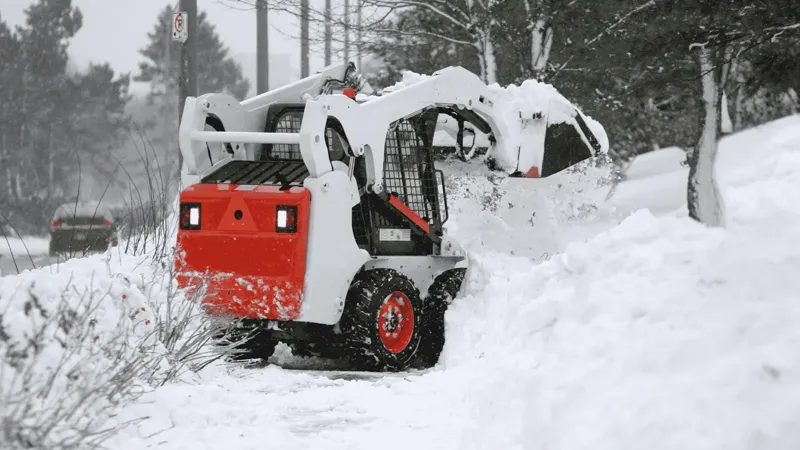
Private roads, cul-de-sacs, mailbox clusters, common walks and unit driveways cleared on a written scope your board can defend to residents.
HOA snow removal in the Lehigh Valley covers the private roads, cul-de-sacs, mailbox clusters and common walks the association maintains, plus unit driveways, walks and stoops when your governing documents assign them to the association. We write the scope to match your declaration, set the trigger depth and treatment rules your board approves, and keep time-stamped records so the board can answer resident questions with facts.
Townhome communities and planned developments are everywhere in the Lehigh Valley: along Route 100 in Upper and Lower Macungie, in Hanover and Bethlehem Townships, around Center Valley and out into the Bucks and Montgomery County suburbs. Most were built with private streets, shared parking bays and common sidewalks that the township does not plow.
That makes the association the snow removal authority for the neighborhood, and the board the people residents call when a cul-de-sac is still buried or a mailbox cluster is iced over. A clear contract is the board's best protection. It tells residents what will be cleared, when, and in what order, and it gives the board a documented standard to point to.
We work with boards and their community managers to turn the governing documents into a scope a crew can follow and a resident can understand.
Most Pennsylvania HOAs formed after the late 1990s are governed by the Uniform Planned Community Act, 68 Pa.C.S. Sections 5101 to 5414. Condominium associations fall under the separate Uniform Condominium Act, 68 Pa.C.S. Chapter 31. Under the Planned Community Act, the association has the power to adopt budgets for revenues, expenditures and reserves and to regulate the use and maintenance of common elements (Section 5302), and the default rule in Section 5307 is that the association maintains the common elements while each owner maintains their own unit, subject to what the declaration provides.
In practice the declaration and bylaws decide who clears unit driveways, private walks and front stoops. Some townhome declarations put those areas on the association. Others leave them to owners, and some define them as limited common elements with their own rules. We read your documents, or work from your manager's summary, before we write a scope. This page is general information, not legal advice; your association's attorney should confirm how your documents allocate responsibility.
Most resident complaints come from gaps in the contract, not from the crew. These are the items we put in writing so the board, the manager and residents all read the same answer.
Boards usually adopt the annual budget months before the first snow, and many need a quorum vote to approve a new vendor. We try to fit that calendar: a site walk and proposal in late summer or early fall, time for the board to review, and a signed contract before storms start.
Snow is one of the hardest budget lines to predict. A seasonal contract gives a fixed number the board can plan around. Per-push or per-event pricing costs less in a light winter and more in a heavy one. We can show the board how each structure would have behaved across mild and heavy winters so members can choose the risk they are comfortable carrying, and the choice often shapes how much the association keeps in its operating reserve.
We walk the community with the manager or a board member, stake curbs, islands, hydrants and low walls, and confirm stacking areas and any no-salt zones.
Brine can go down on entrances, hills and main roads ahead of a storm where the contract includes anti-icing.
Once the contracted trigger is reached, trucks open main roads and entrances first and return through long events so emergency vehicles can get in.
Cul-de-sacs and parking bays follow, then hand and blower crews clear driveways, walks, stoops and mailbox clusters as the contract defines.
Windrows at driveway ends are addressed on the cleanup pass, walks are treated, and the manager receives a time-stamped record of every visit.
Every community has residents who leave for work at 5 a.m. and residents who notice every pile at the end of their driveway. When a complaint comes in, the board needs to know what the contract requires and what the crew actually did. Our time-stamped service records answer both questions: when each area was serviced, and what material went down.
We also recommend the board share a short snow policy with residents before the season. When people know that roads come first and driveways follow, and that the crew returns until the storm ends, the call volume drops noticeably.
It depends on your declaration. The Uniform Planned Community Act sets a default that the association maintains common elements and owners maintain their units, but declarations often assign driveways, walks and stoops differently. We write the scope to match your documents.
Yes. Seasonal contracts give a fixed budget number, while per-push and per-event pricing tracks the actual winter. We can walk the board through how each would have played out in light and heavy seasons before members vote.
Many communities set a lower trigger for roads and entrances and a slightly higher one for unit driveways and walks. The right numbers depend on your budget and residents, and they are written into the contract rather than decided storm by storm.
Crews plow around parked vehicles and return once cars move. Communities with tight parking often adopt a snow parking rule that asks residents to shift cars to one side or to an overflow lot so bays can be cleared fully.
We stake curbs, islands and edges before the season to limit damage. The contract spells out how damage is reported and repaired in spring, so the board is not negotiating each item after the fact.
Ideally before the budget is finalized and well before the first storm. That gives time for a site walk, a written proposal, board review and a vote, and it lets the crew learn the community before snow covers the curbs.
Available in 50 towns across Lehigh, Northampton, Berks, Bucks, Montgomery, Monroe, Carbon, Luzerne counties. Some of the busiest:
Written snow and ice contracts for commercial sites, covering plowing, salting, walks, hauling and time-stamped service records.
Learn more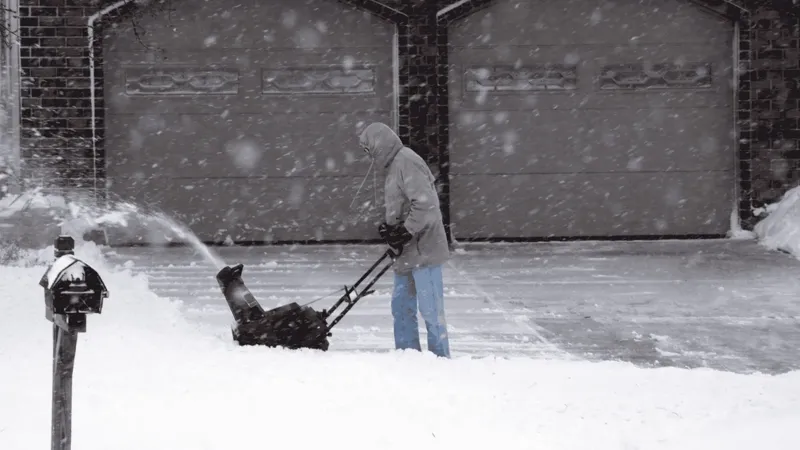
Driveways plowed or blown edge to edge, with the end of the driveway reopened after the municipal plow passes.
Learn more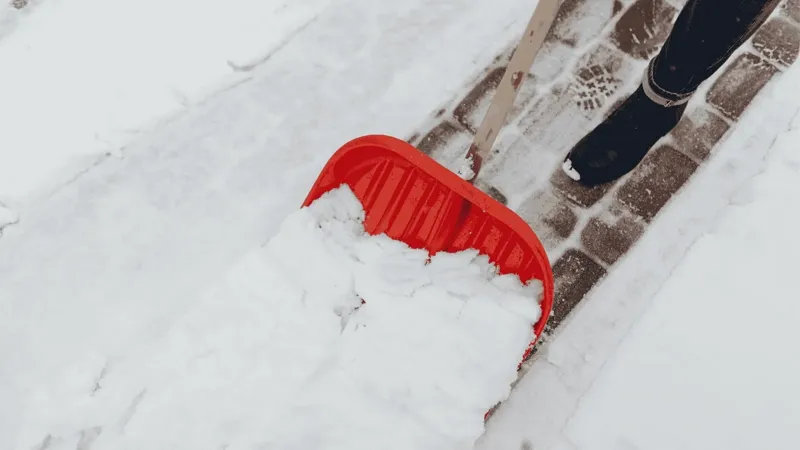
Hand crews clear sidewalks, steps, ramps and entrances for homes, rowhomes and storefronts, then treat for ice.
Learn moreTell us about the property and we will come back with a straight answer on scope and price after a site walk.
Lehigh Valley and eastern PA properties