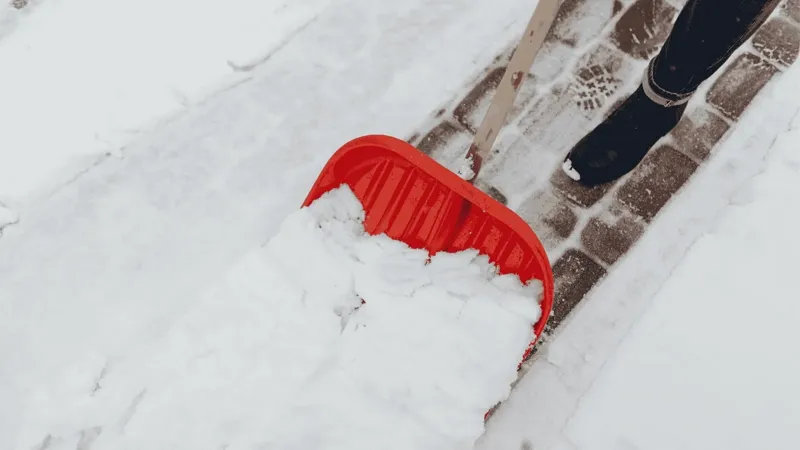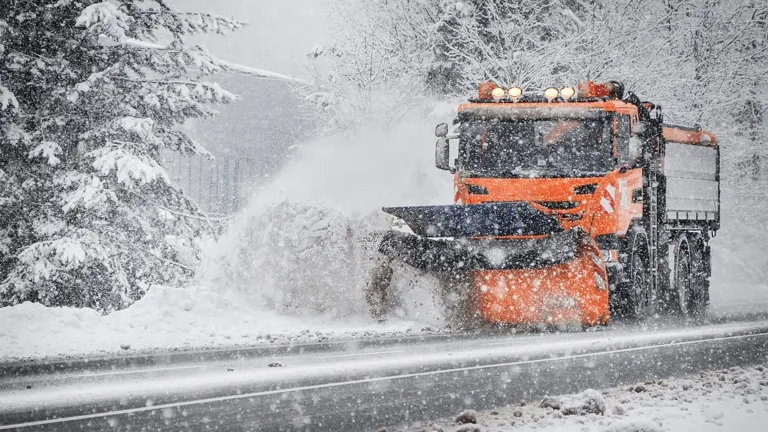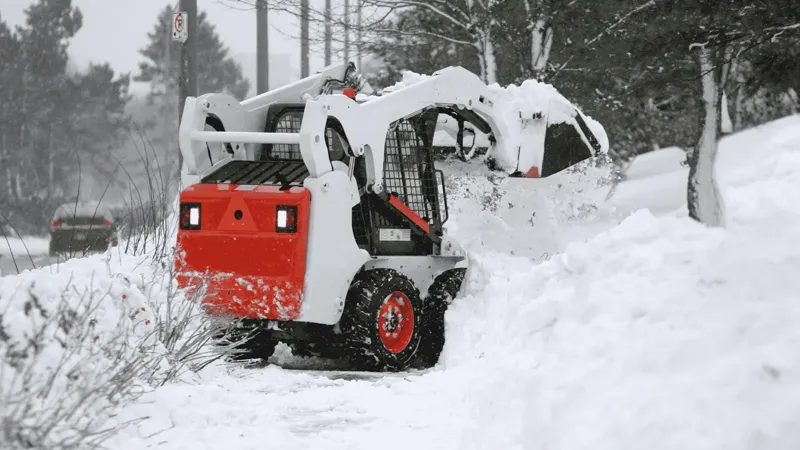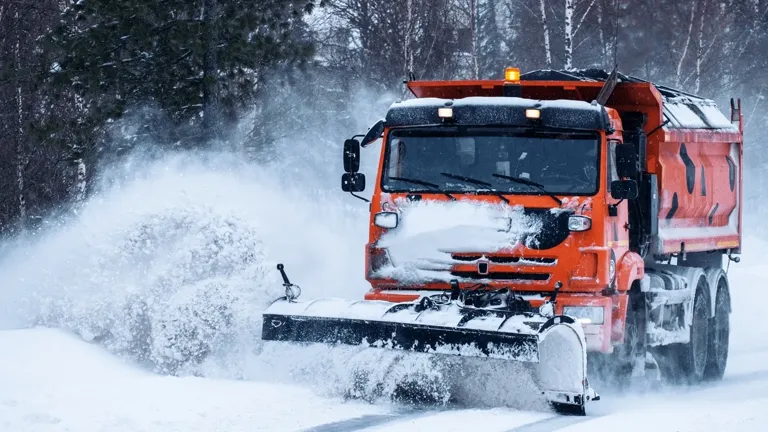
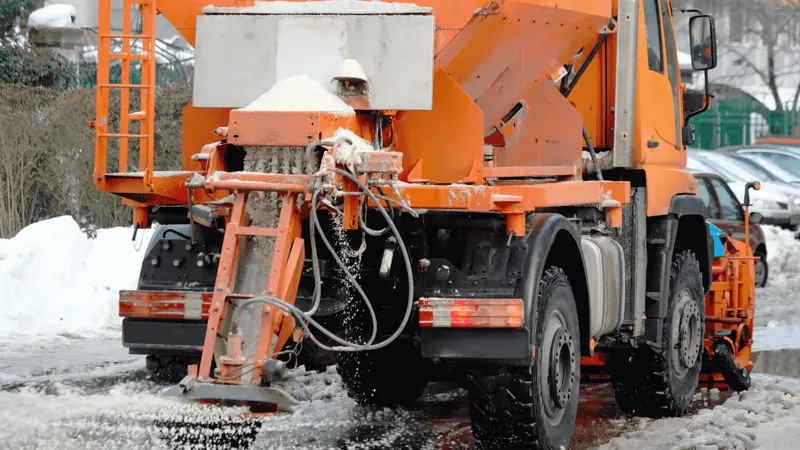
A Reading snow emergency is declared by the Mayor when significant snow or dangerous weather is forecast. Vehicles left on the city's snow emergency routes, such as 5th Street, Penn Street and Lancaster Avenue, may be ticketed and towed at the owner's expense, and the city opens its garages free during declared emergencies. Sidewalk rules are strict: two hours after snow stops along the downtown core streets, and four hours everywhere else, with the clock starting at daybreak if the snow ends overnight.
What a Reading snow emergency is
The City of Reading's Snow Emergency page says a snow emergency may be declared by the Mayor if significant snowfall or dangerous weather conditions are forecast. It is a signal that residents and city service providers need to prepare, and information is released from City Hall to local media and the city's official social media accounts.
Once an emergency is declared, removing snow from the travel lanes of the snow emergency routes is the priority. The city describes these routes as primary feeders for traffic through the city that link schools, hospitals, bus routes and fire stations. Local streets come next.
We could not verify a fixed delay between the announcement and the start of enforcement in Reading's code, because the city's online code library blocked our access. Treat the declaration as the time to move your car, and read the declaration itself for any stated start time.
Reading's priority snow emergency routes
The Mayor's February 2026 declaration listed these as the priority snow emergency routes. The routes map is on file with the Public Works Department, and routes can be adjusted, so use the list in the current declaration when one is issued.
- North and South 5th Street
- Lancaster Avenue
- Walnut Street
- Washington Street, including 2nd Street from Washington to Penn Streets
- Penn Street
- Franklin Street
- North 13th Street
- Perkiomen Avenue
- Schuylkill Avenue
- Spring Street
- Front Street (Penn Street to Cathedral)
- Eleventh Street (Franklin to Walnut Streets)
- Kenhorst Boulevard
- Museum Road
Towing and where to park free
The city states that any vehicle not removed from a snow emergency route will be ticketed and towed at the owner's expense. The ticket amount is not listed on the city's snow pages, and we could not confirm it from the code, so we have not quoted one.
The Snow Emergency page says residents may move vehicles to Reading Parking Authority facilities without charge, and names locations in the 600 block of Franklin Street and the 700 block of Washington Street. In the February 2026 declaration, the city opened all city owned parking garages free for a stated window and noted that surface lots were not included, and that the 6th and Cherry lot was reserved for emergency vehicles.
The garage offer comes with a start and end time in each declaration. Move the car back before the free window closes or normal rates can apply.
Reading's sidewalk rules: 2 hours downtown, 4 hours elsewhere
Reading's quality of life rule QOL.012 (Snow and ice removal from sidewalks), published on the city's QOL Violations Explained page, is one of the fastest deadlines in the region. It applies to every owner, tenant, occupant, lessee, property agent or other person responsible for a property.
The city's snow page also points residents to Section 508-202 of the codified ordinances for sidewalk and hydrant clearing, and asks everyone to clear fire hydrants on all sides. Read that section on the city's code library for its exact wording.
| Property | Deadline after snow or ice stops | What must be cleared |
|---|---|---|
| Along Penn, Washington or Court Street, or along 2nd through 9th Streets between Penn and Washington | 2 hours | The entire sidewalk |
| A place of business anywhere else in the city | 4 hours | The entire sidewalk |
| Any other property | 4 hours | A clear path at least three feet wide |
| Any property, when snow ends during darkness | Clock starts at daybreak | Same as above |
Owner, tenant or property agent
QOL.012 names every owner, tenant, occupant, lessee, property agent or other responsible person, so the city can cite whoever it finds responsible for the property. That covers the typical Reading rowhome rental, the corner store with apartments above and the downtown storefront managed from out of town.
Snow violations are tracked as QOL violations in the city's property maintenance records, and the city's blighted property review agendas list them alongside other code history for problem properties. For landlords, that is a reason to assign snow clearing clearly in the lease and to keep proof of when each storm was handled.
Keep snow out of the street
In a 2026 press release the Mayor reminded residents that placing snow from sidewalks, driveways or private property into city streets is prohibited by city ordinance, and asked residents to put snow on lawns, landscaped areas or designated space on their own property instead.
The city's snow page adds several practical rules: do not block parking spaces with furniture, since there are no assigned spaces; do not double park during plowing; do not pass snow plows; and avoid putting sidewalk snow into the street, especially after it has been plowed.
Where Reading posts official announcements
The city says updates during a snow emergency come through City Hall, local media and the city's official social media channels, and the Snow Emergency page on readingpa.gov collects the standing rules. For questions about snow removal rules, the city directs residents to readingpa.gov and its social media. For reporting an unshoveled sidewalk, use the Property Maintenance contact listed on the city website.
Readers outside the city limits should note that West Reading, Wyomissing and the surrounding townships have their own ordinances and declarations. A city snow emergency does not apply there.
- Watch readingpa.gov and the city's official social media when snow is forecast.
- Move off the priority routes as soon as an emergency is declared.
- Use the free garages only within the posted window.
- Clear walks within 2 hours downtown or 4 hours elsewhere, starting at daybreak for overnight storms.
- Clear hydrants on all sides and keep snow out of the street.
Sources
- City of Reading: Snow Emergency Page
- City of Reading: Mayor Eddie Moran Declares Snow Emergency in Reading (February 2026)
- City of Reading: QOL Violations Explained (QOL.012 Snow and ice removal from sidewalks)
- City of Reading: Mayor urges residents to keep snow out of city streets
- City of Reading Codified Ordinances, Section 508-202: Snow and ice removal from sidewalks